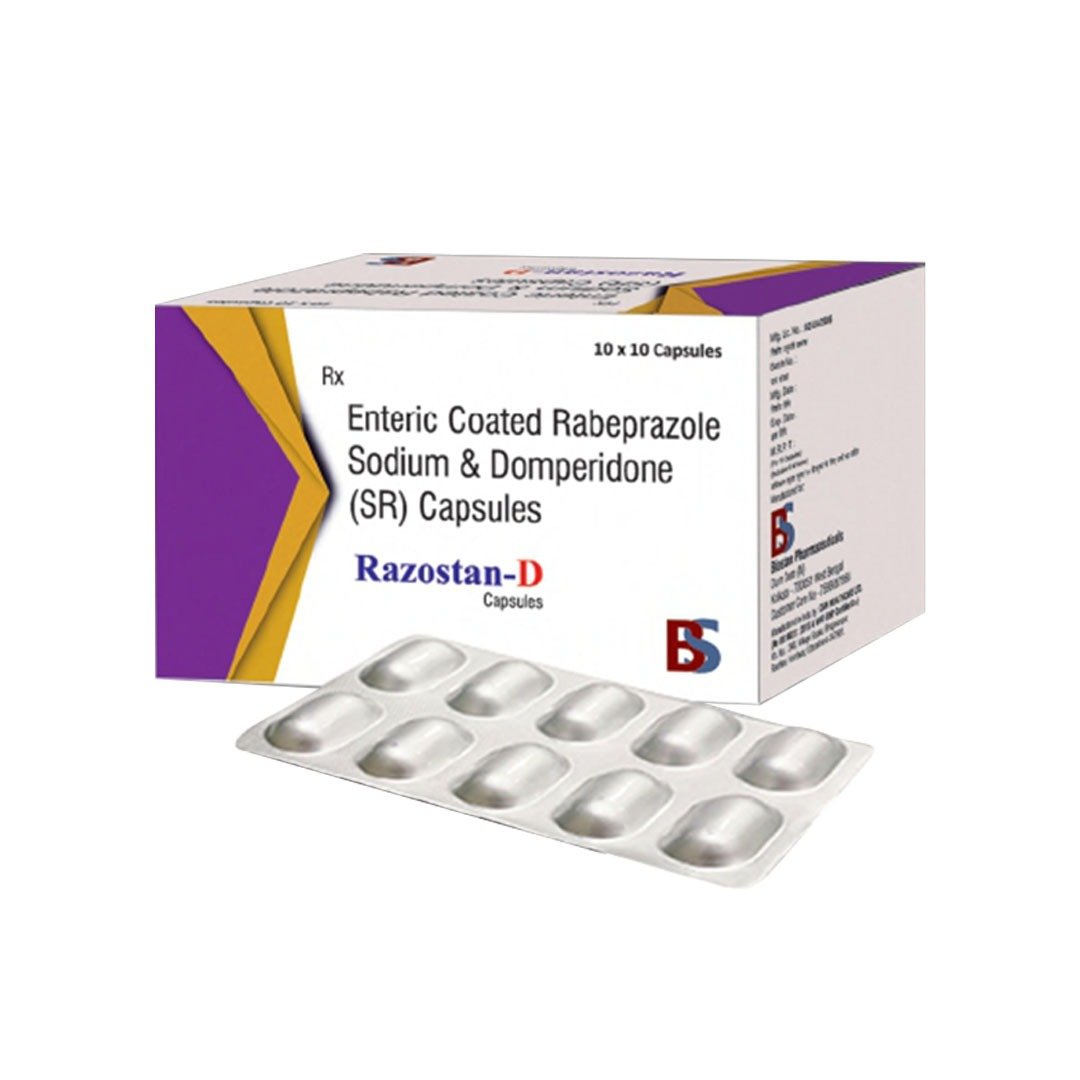
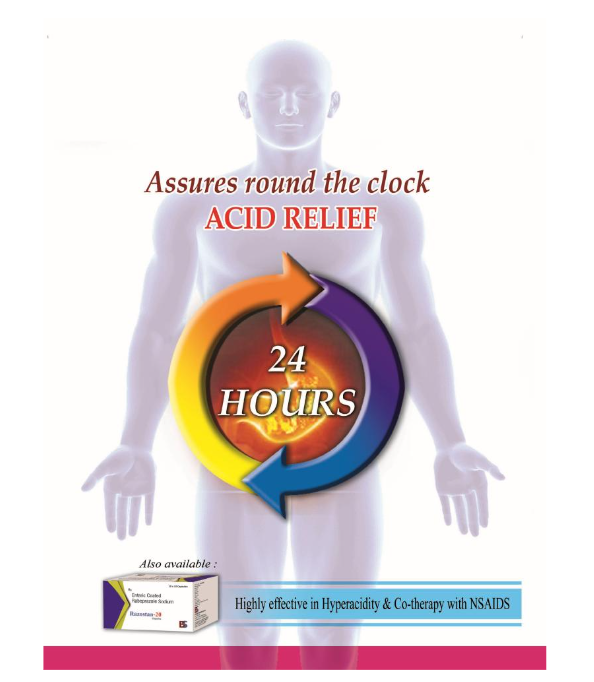
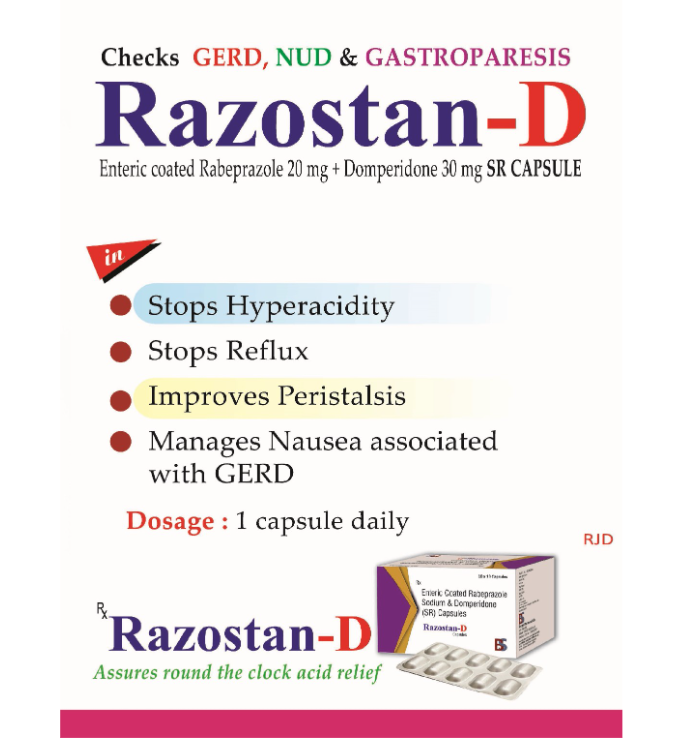
Proton pump inhibitors (PPIs) are a group of medicines that decrease
stomach acid production. They can help relieve symptoms of chronic acid
reflux (GERD) and stomach ulcers.
These medications work by irreversibly blocking an enzyme called H+/K+
ATPase, which controls acid production in the stomach.
By inhibiting this enzyme (also known as the proton pump), PPIs significantly
reduce acid secretion and provide relief for acid-related conditions
RABEPRAZOLE
Rabeprazole is a medication that decreases stomach acid. Here are some
key points about it:
Uses:
* Short-term treatment of gastroesophageal reflux disease
(GERD) symptoms in adults and children over 1 year old.
* Treatment of conditions involving excessive stomach acid, such
as Zollinger-Ellison syndrome (only in adults).
* Promotion of healing for duodenal ulcers or erosive esophagitis caused by
stomach acid (adults).
* May be given with an antibiotic to prevent duodenal ulcers caused
by Helicobacter pylori infection.
* Not for immediate relief of heartburn symptoms.
Side Effects:
* Allergic reactions: Hives, difficulty breathing, swelling of face, lips, tongue,
or throat.
* Serious side effects: Severe stomach pain, watery or bloody diarrhea,
joint pain, kidney problems, lupus symptoms, low magnesium levels.
* Common side effects: Infection, sore throat, headache, nausea, vomiting,
gas, diarrhea, constipation, stomach pain.
Warnings:
* Rabeprazole can cause kidney problems.
* Long-term use may lead to stomach growths called fundic gland polyps.
Discuss risks with your doctor, especially if using it for more than 3 years.
DOMPERIDONE SR
Domperidone is a medication used for various purposes. Here are the key
details:
Uses:
* Nausea and Vomiting: Domperidone is an antiemetic (anti-sickness) drug.
It helps manage nausea and vomiting caused by various factors, including
migraine headaches.Gastroparesis:
* This condition involves a slow-moving stomach, leading to symptoms like
indigestion, feeling too full, or bloated after meals.
* Domperidone can relieve discomfort associated with gastroparesis.
How It Works:
Domperidone blocks dopamine receptors in the gut, enhancing muscle
contractions in the stomach and intestines. This speeds up food
movement through the digestive tract.
It also acts on the chemoreceptor trigger zone in the brain, reducing
nausea and vomiting. Importantly, it doesn’t cross the blood-brain barrier,
minimizing central nervous system side effects.
Important Information:
Domperidone may increase the risk of heart rhythm disorders and cardiac
arrest, especially in older adults or at doses exceeding 30 mg per day.
It’s essential to discuss any other medications you’re taking, especially
those for infections or heart problems.
Gastroparesis is a condition that affects the normal spontaneous movement of
the muscles (motility) in your stomach.
Here are some key points:
Symptoms:
*Nausea and vomiting: Due to delayed stomach emptying.
* Feeling full: Even after eating small amounts.
* Acid reflux or heartburn.
*Abdominal pain and bloating.
*Changes in blood sugar levels.
* Lack of appetite and malnutrition.
*Weight loss.
Causes:
*Damage to the vagus nerve.
* Diabetes mellitus.
* Thyroid hormone imbalance.
* Side effects of certain medications.
* Connective tissue disorders.
Diagnosis:
* Blood tests (complete blood count).
* Gastric emptying scintigraphy (tracking food movement using harmless
radioactive material).
* Endoscopy (viewing the stomach and esophagus).
* Ultrasound and barium swallow.
Treatment:
* No cure, but management of symptoms.
*Medications (e.g., metoclopramide, domperidone).
*Procedures (e.g., jejunostomy, botulinum toxin injection).
* Nutritional adjustments.
Remember to consult a healthcare provider for personalized advice.
Gastroesophageal reflux disease (GERD) is a common condition where
stomach contents flow back up into the esophagus. Here are some key
points:
Cause:
GERD occurs due to frequent acid reflux or regurgitation of stomach contents.
The lower esophageal sphincter (a circular muscle at the bottom of the
esophagus) relaxes, allowing acid and other contents to move upward.
Symptoms:
* Heartburn: Burning sensation in the chest or throat.
* Bad taste: Regurgitation of stomach acid can lead to an unpleasant taste.
Complications:
Repeated exposure to acid can cause esophageal ulcers, difficulty
swallowing, and even cancer.
Treatment:
* Lifestyle changes (e.g., avoiding trigger foods, weight loss).
* Medications (e.g., antacids, proton pump inhibitors).
*Surgery in severe cases.